
Agroforestry for Smallholder Farmers: A Scalable Solution for Climate Resilience and Income Growth
What if a single tree could provide food, fertilizer, natural pesticides, and income - all at once?
Smallholder farmers today face challenges from climate change and declining soil health to food insecurity and biodiversity loss. Conventional farming systems are no longer sufficient to sustain livelihoods or ecosystems.
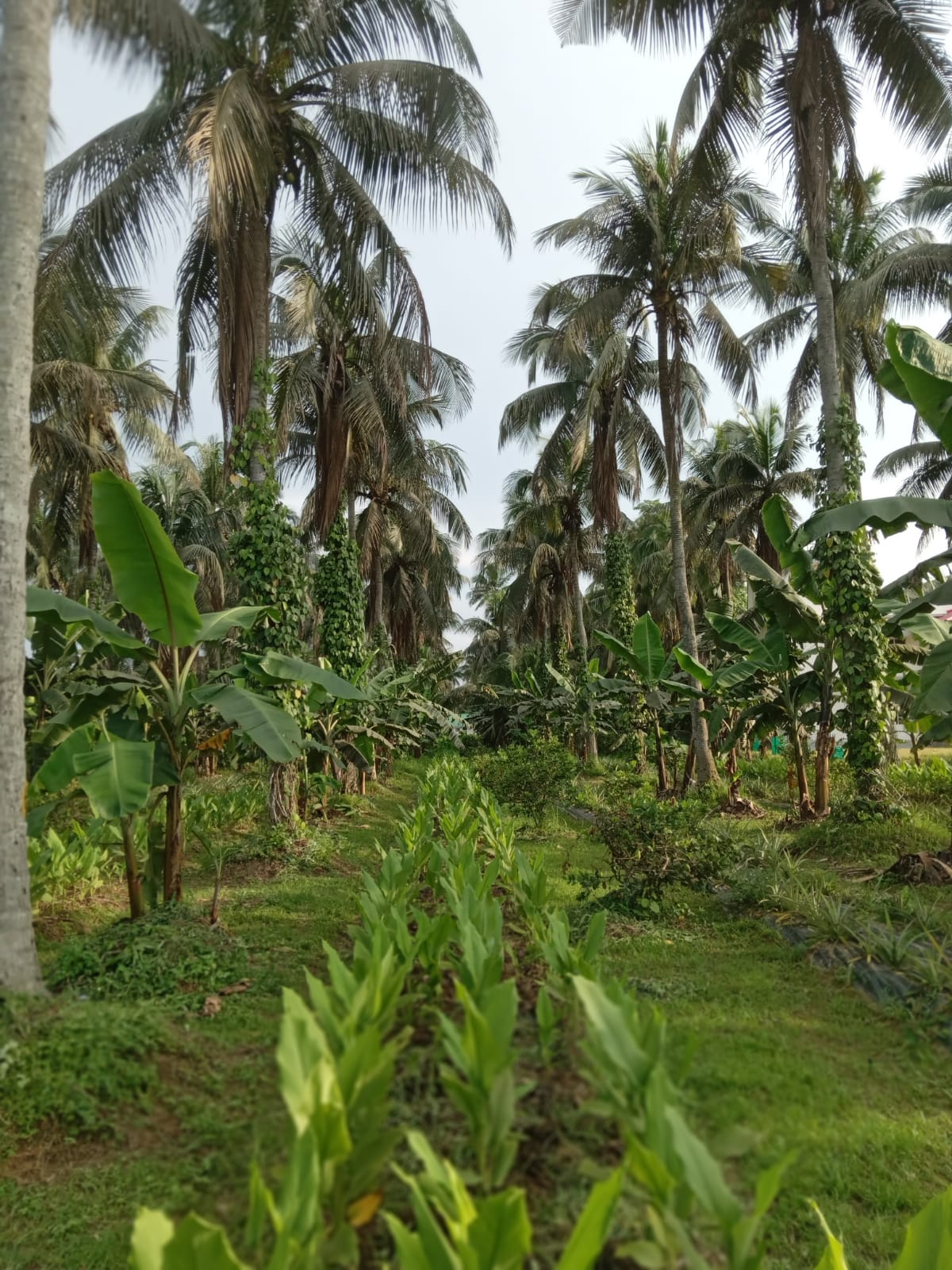
By combining agricultural production with ecological restoration, agroforestry creates systems that are not only productive but also resilient. Trees improve soil fertility, reduce erosion, enhance biodiversity, and provide additional sources of income through fruits, timber, and natural inputs such as bio-fertilisers and pest control.
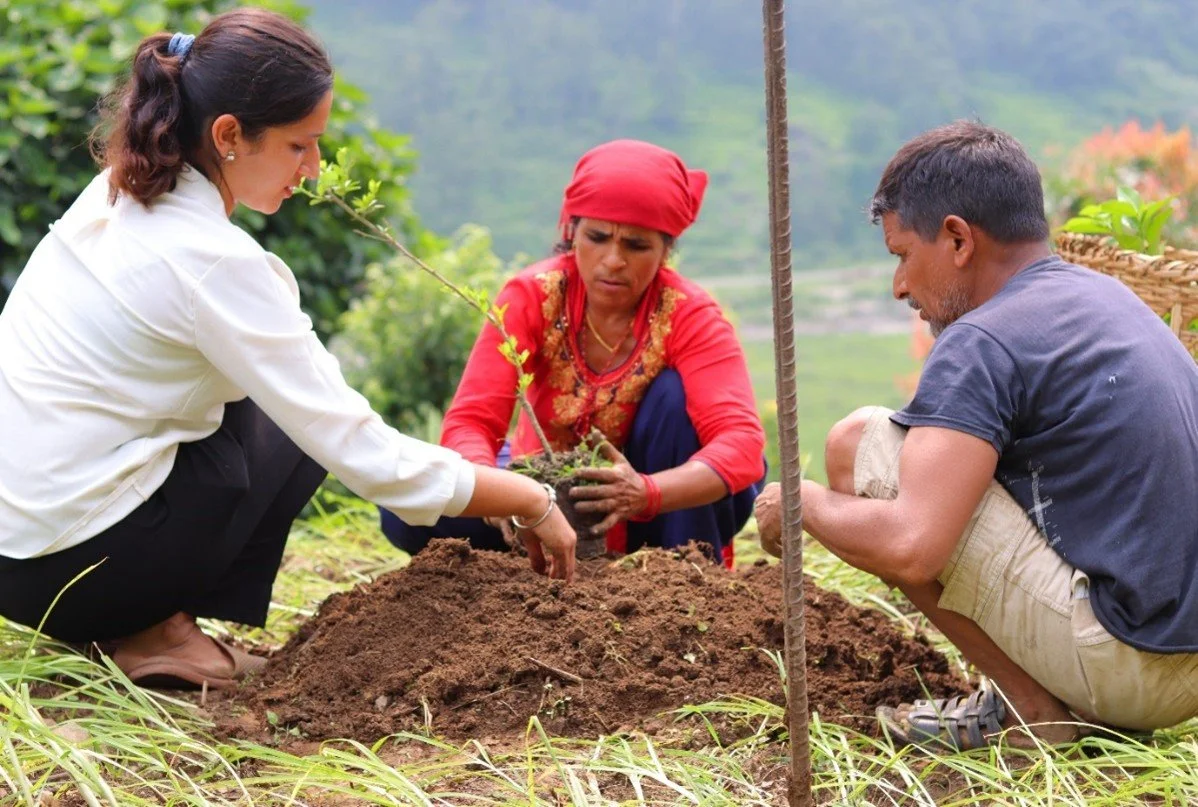
aQysta’s Approach to Agroforestry
At aQysta, agroforestry is not implemented as a standalone intervention, but as part of an integrated farming system. By combining irrigation solutions, regenerative practices, and market access, we help farmers transition towards more resilient and profitable agricultural models.
Diversified farming systems enable farmers to reduce risk, increase income streams, and strengthen long-term food security. Our approach also focuses on protecting indigenous tree species while creating economic incentives for farmers to plant and maintain new trees.
Agroforestry in Action Across Regions
Malawi
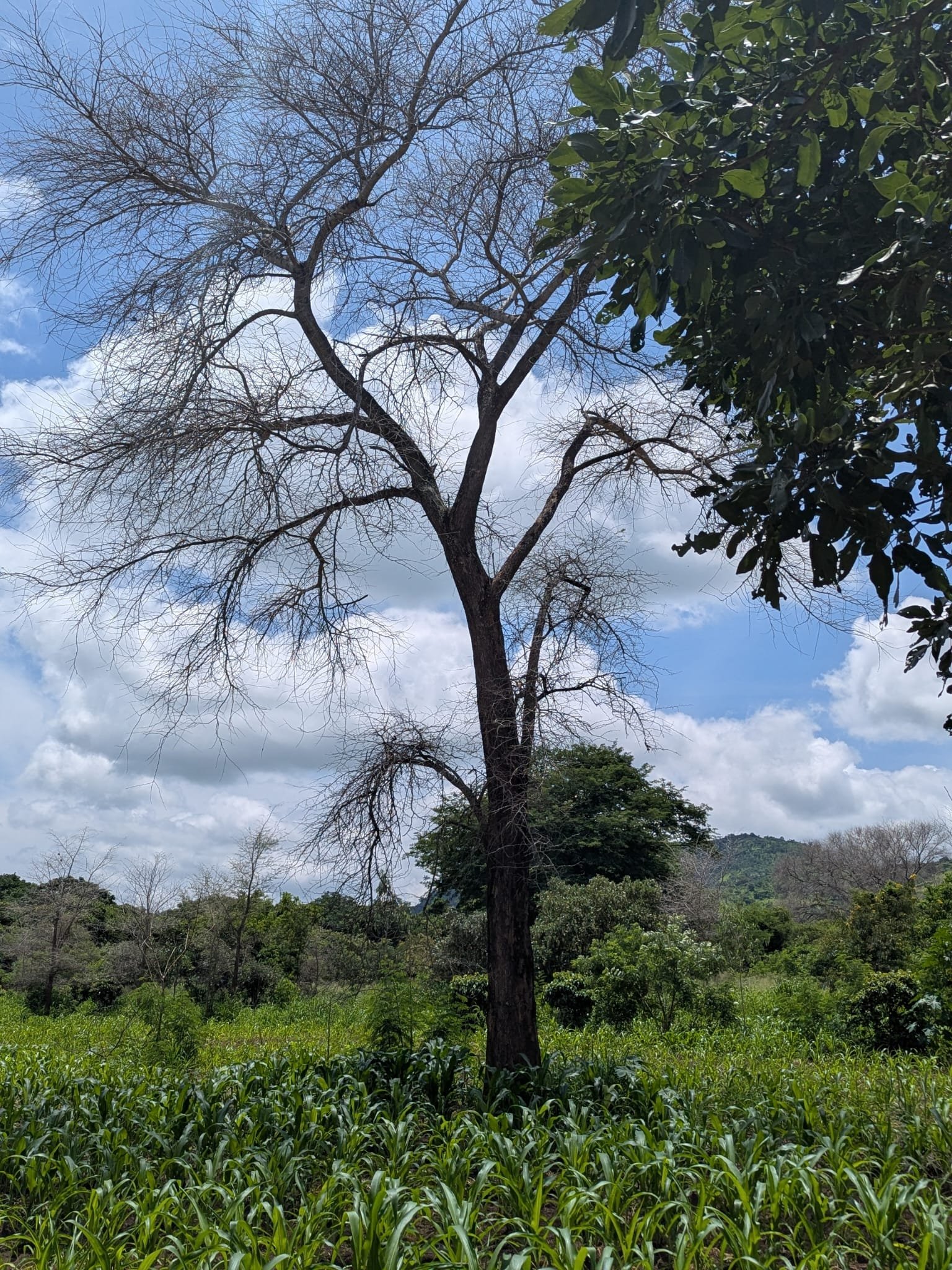
In Malawi, fertilizer trees such as Faidherbia albida are integrated into farming systems to improve soil fertility and combat desertification. These trees are intercropped with maize, groundnuts, and soybeans.
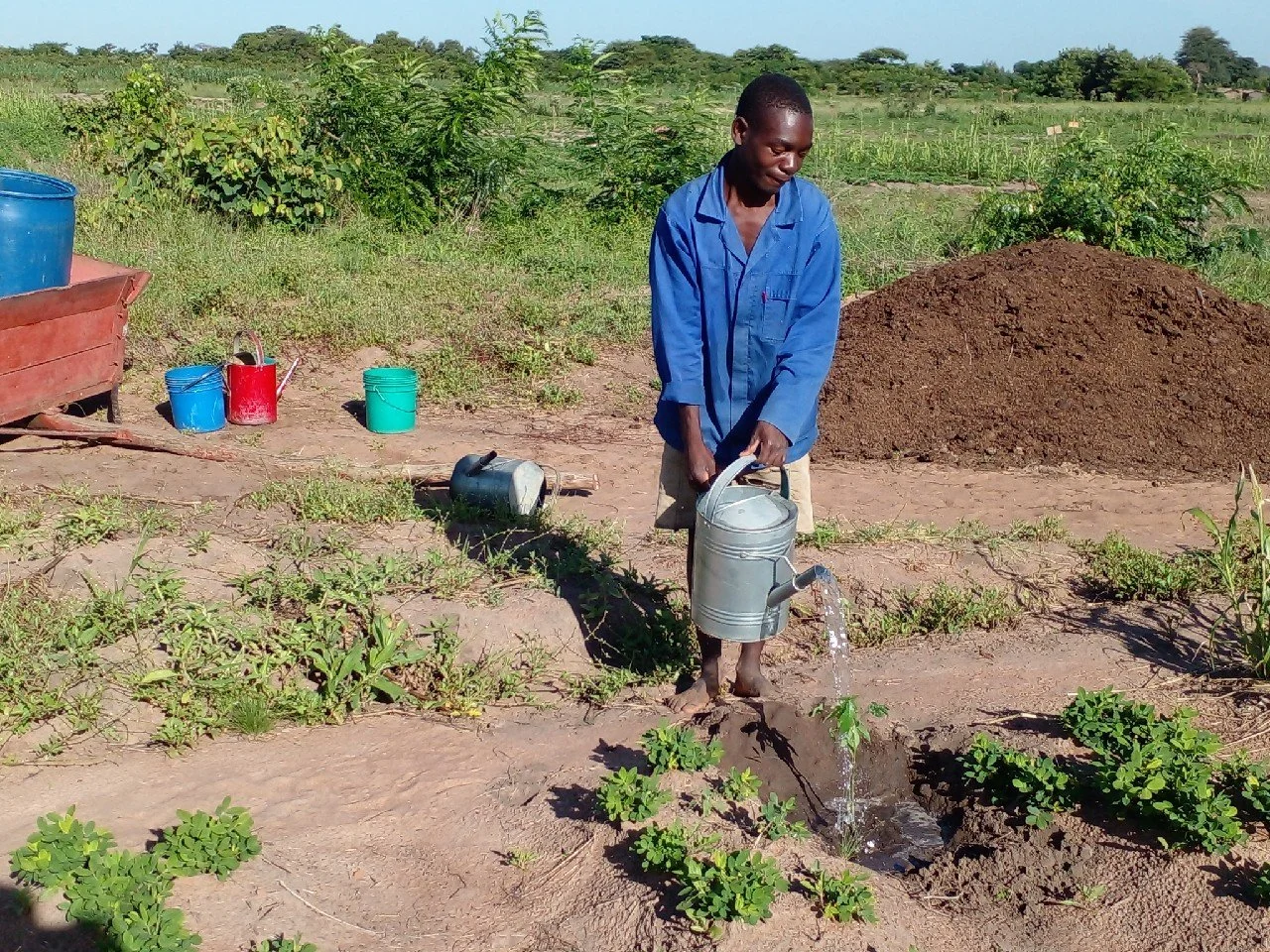
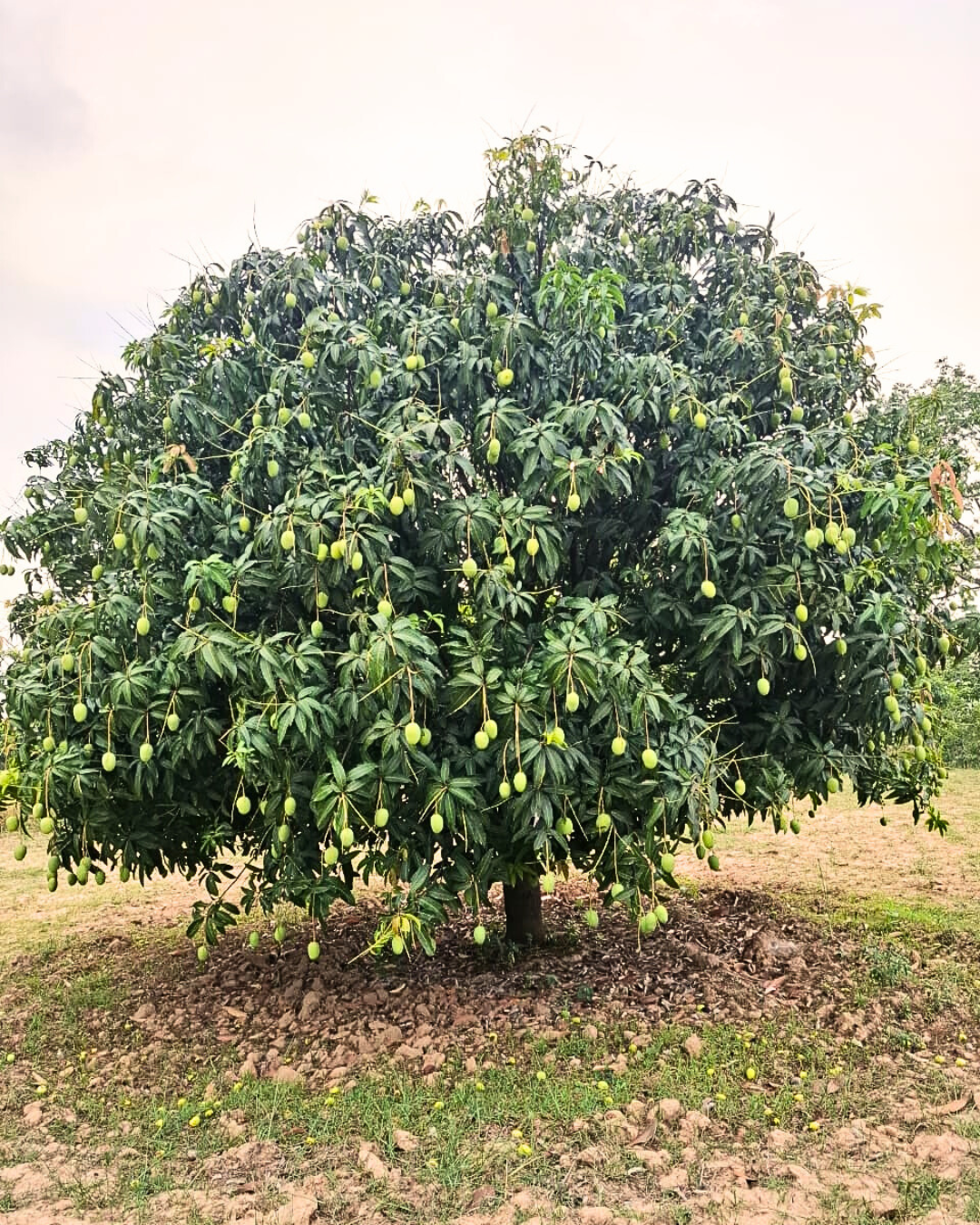
Additionally, high-value Kalisele mango varieties are promoted to replace low-yield seedling trees, improving farmer incomes. Neem trees are planted along farm borders, with leaves used as natural bio-pesticides.
Nepal
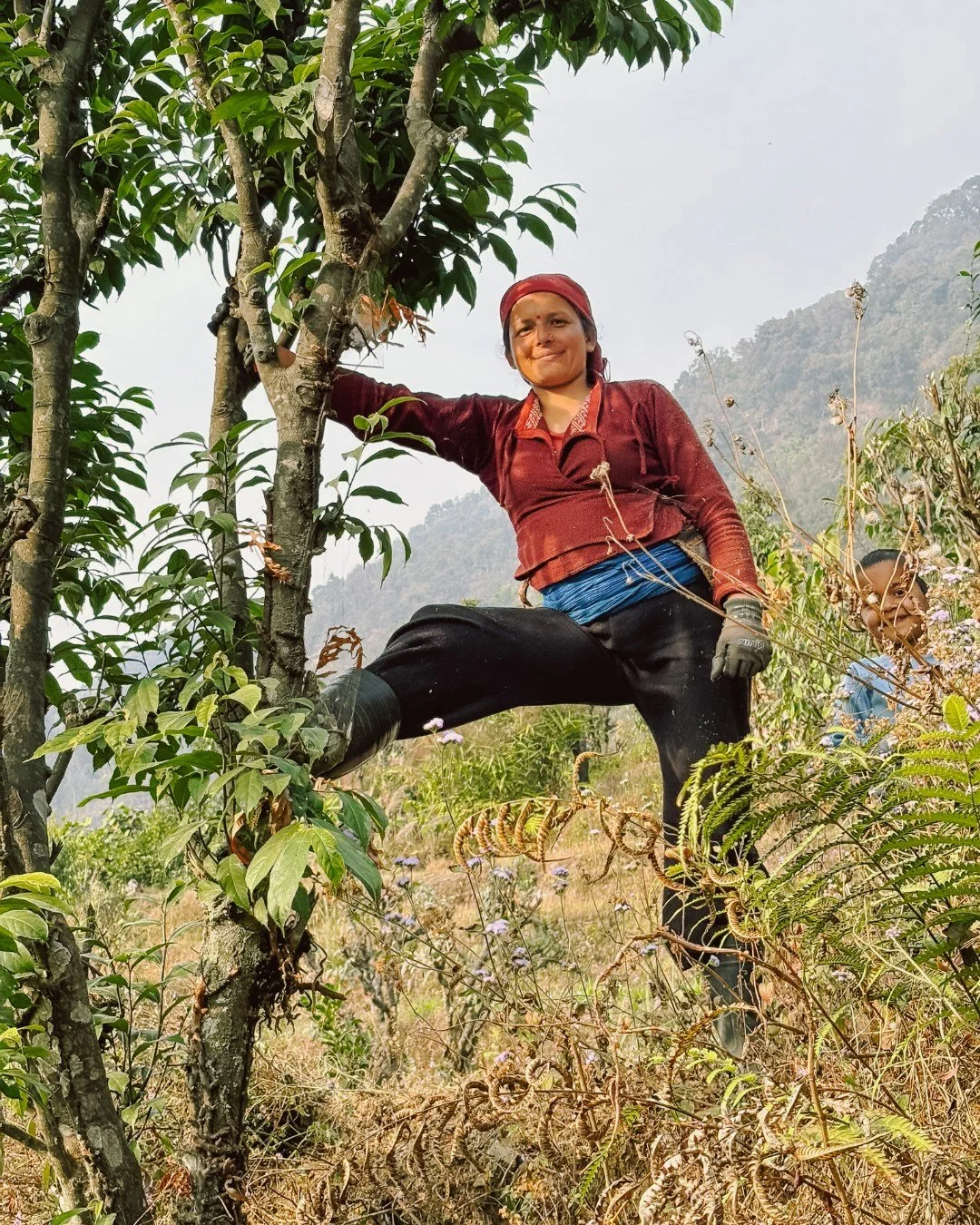
In Nepal’s hilly regions, Timur (Timut) pepper is cultivated within agroforestry systems. Its deep root system helps prevent soil erosion, making it ideal for fragile landscapes.
Farmers also integrate citrus and coffee trees, creating multi-layered systems that improve soil quality, enhance biodiversity, and provide diversified income sources.
India (Meghalaya)
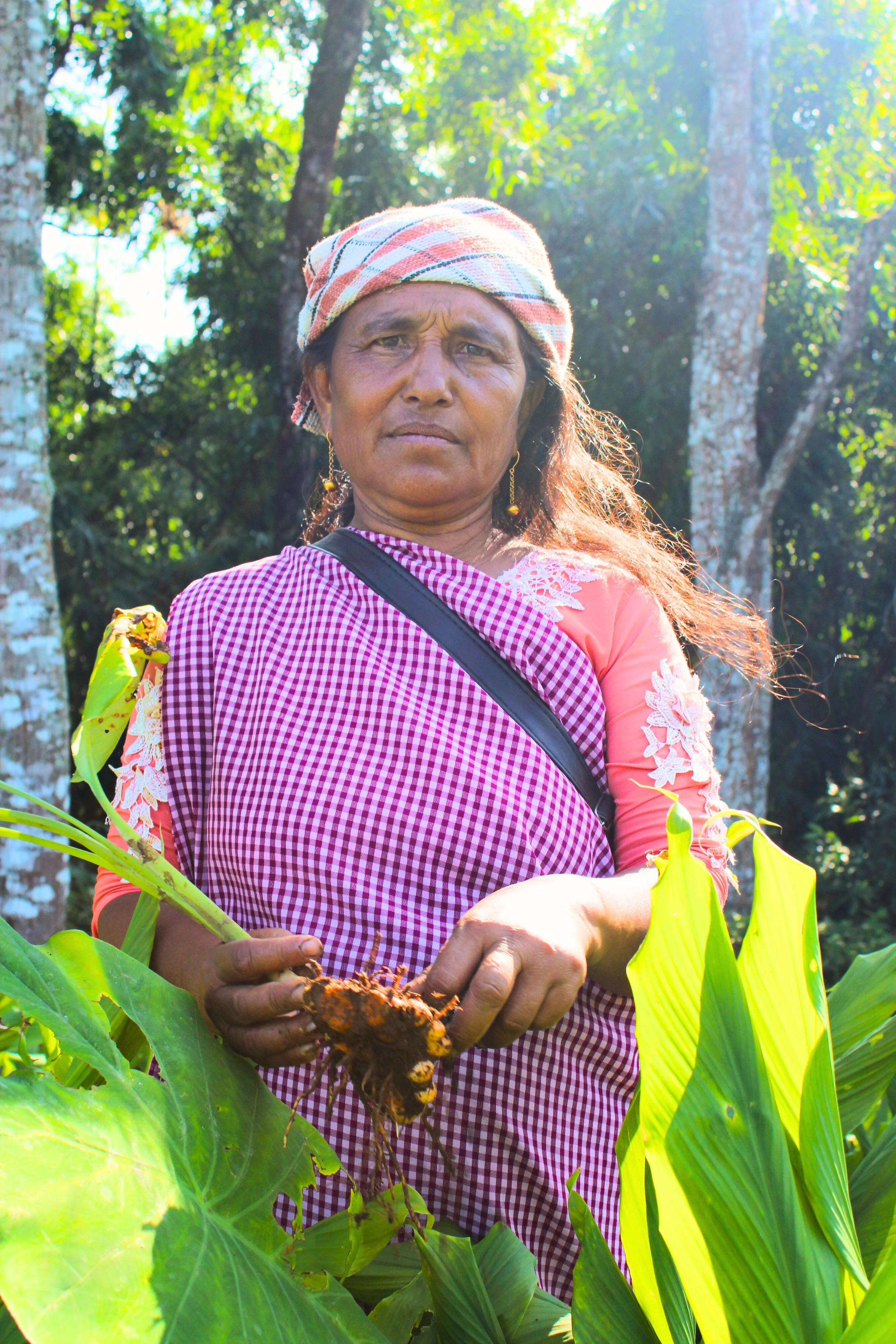
In Meghalaya, the high-value Lakadong Turmeric is increasingly grown within agroforestry systems. Its shade tolerance makes it suitable for intercropping with timber and fruit trees.
This not only improves soil health but also provides farmers with additional income during its 9-month cultivation cycle.
Impact So Far
To date, aQysta has planted and protected over 28,642 trees across 47.8 hectares of farmland.
With Ecosia's support, we continue to scale sustainable agroforestry systems that enhance biodiversity, improve food security, and generate long-term income for smallholder farmers.